







Commercial Building Inspections
in Milwaukee & SE Wi
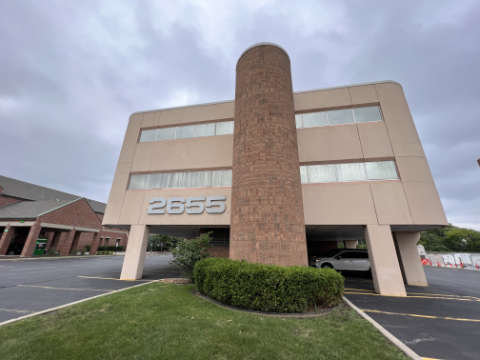
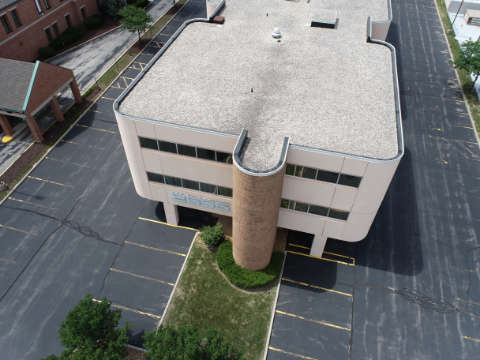
Commercial building inspections are an essential step for anyone involved in property ownership or management.
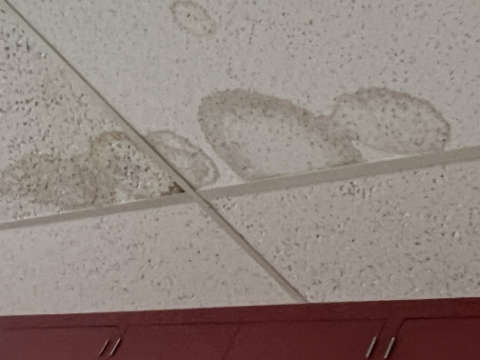
Commercial inspections help identify potential problems in the structure and systems of a building, allowing for preventative maintenance and repairs that can save time and money in the long run.
Commercial building inspections can also help identify safety hazards that could put occupants or visitors at risk.
At Anderson Inspections, we offer a comprehensive range of services for commercial building inspections.
Our trained and experienced inspectors will thoroughly examine aspects of your building, from the foundation and structure to the electrical, plumbing, and HVAC systems.
Our services include a detailed written report of any issues found, along with recommendations for repairs or maintenance.
Our goal is to provide our clients with peace of mind, knowing that their building is safe, functional, or are aware of issues that should be evaluated for remedial costs to function as intended by design.
Commercial Building Inspection Services:
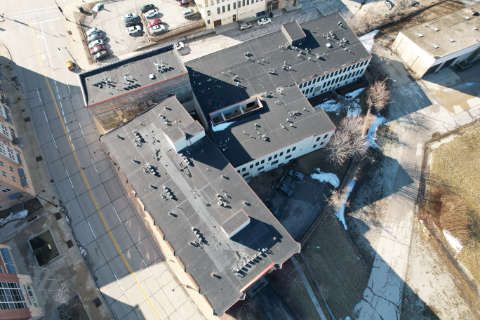
- Roof inspections
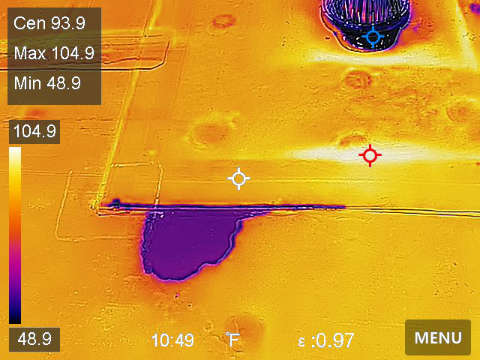
- Thermal Imaging inspections
- Structural inspections
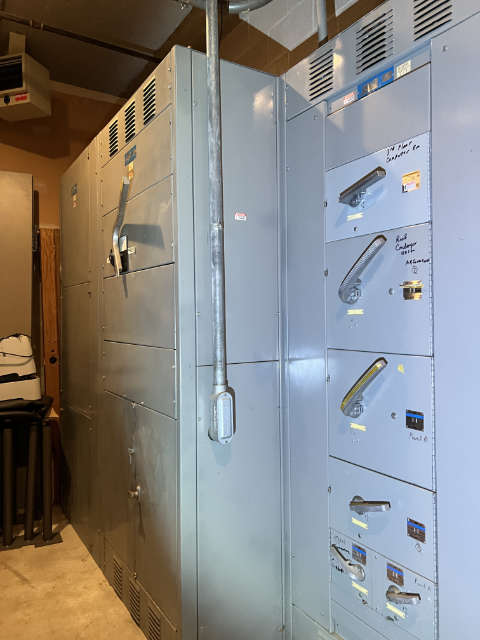
- Electrical inspections
- Plumbing inspections
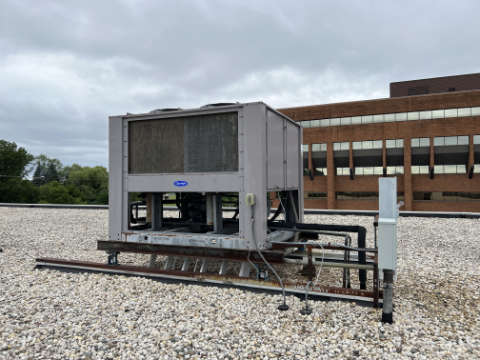
- HVAC inspections
- Environmental inspections (e.g. mold, asbestos, lead)
- Detailed Report with recommendations with every inspection
Here’s a summary of the advantages of hiring and Expert Witness to perform your home inspection.
Having an expert witness conduct a home inspection can offer a range of advantages for homeowners or prospective buyers.
One of the most significant benefits is the depth of knowledge and experience that an expert witness brings to the inspection process. They have specialized expertise in their field and can identify issues that may be missed by a non-expert inspector.
Another advantage of hiring an expert witness is that they can provide an objective and unbiased assessment of the property.
Unlike a regular home inspector, an expert witness is not affiliated with any particular party and is solely focused on providing an accurate and honest evaluation of the property. This can be particularly valuable in cases of litigation or disputes between buyers and sellers, as the expert witness can provide an impartial perspective.
Finally, an expert witness can provide a higher level of credibility to the inspection report.
Their testimony can carry weight in legal proceedings or negotiations, as their expertise lends authority to their findings. This can help to avoid disputes or challenges to the inspection report and ensure that any necessary repairs or maintenance are addressed promptly and effectively. Overall, hiring an expert witness for a home inspection can provide peace of mind and help ensure that the property is thoroughly evaluated by a qualified and knowledgeable professional.
Commercial Building Inspection Services FAQs
Q: What Does a Roof Inspection Include?
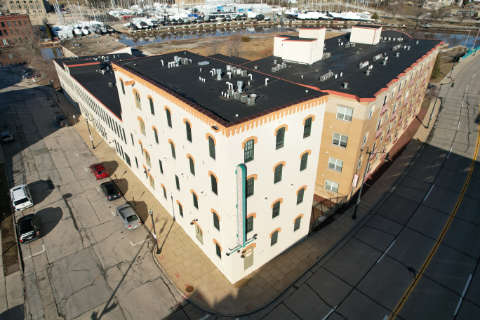
A roof inspection involves a thorough evaluation of the condition, integrity, and performance of the roof system. It typically includes an assessment of the roofing materials, flashings, drainage systems, ventilation, and potential signs of damage or deterioration. The inspection helps identify any issues or maintenance requirements related to the roof.
Q: What Does a Thermal Imaging Inspection Involve?
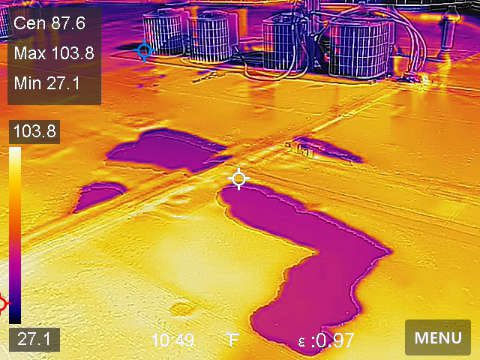
A thermal imaging inspection utilizes specialized cameras to detect temperature variations in building components. It helps identify hidden issues such as energy loss, moisture intrusion, electrical hotspots, and insulation deficiencies. By capturing infrared images, thermal imaging inspections provide valuable insights into the building’s performance and potential areas of concern.
Q: What Does a Structural Inspection Cover?
A structural inspection focuses on evaluating the integrity and stability of a commercial building’s structural components. It includes an assessment of the foundation, load-bearing walls, beams, columns, floors, and other structural elements. The inspection helps identify any structural deficiencies, signs of deterioration, or potential safety hazards.
Q: What Does an Electrical Inspection Involve?
An electrical inspection examines the electrical systems and components within a commercial building. It includes an evaluation of the electrical panel, wiring, outlets, switches, lighting fixtures, grounding systems, and safety devices. The inspection aims to identify any electrical hazards, code violations, or potential risks that may pose safety concerns.
Q: What Does a Plumbing Inspection Cover?
A plumbing inspection focuses on assessing the plumbing system of a commercial building. It involves examining the pipes, fixtures, faucets, drains, water heaters, sewage systems, and backflow prevention devices. The inspection helps identify any leaks, clogs, water pressure issues, or plumbing code violations that may require attention or repairs.
Q: What Does an HVAC Inspection Include?
An HVAC inspection evaluates the heating, ventilation, and air conditioning systems in a commercial building. It encompasses the assessment of HVAC units, ductwork, air filters, thermostats, insulation, and indoor air quality. The inspection aims to identify any inefficiencies, malfunctions, or maintenance requirements related to the HVAC system.
Q: What Does a Mold Inspection Involve?
A mold inspection is conducted to assess the presence of mold growth and identify its source within a commercial building. It typically includes a visual examination of areas prone to mold growth, such as basements, bathrooms, and areas with water damage. Additionally, air and surface samples may be collected for laboratory analysis to determine mold spore concentration and identify specific types of mold present.
Q: What Does an Asbestos Inspection Cover?
An asbestos inspection is carried out to determine the presence of asbestos-containing materials (ACMs) in a commercial building. It involves a thorough evaluation of the building’s construction materials, including insulation, floor tiles, pipe coverings, and textured coatings. Samples may be collected for laboratory analysis to confirm the presence of asbestos. The inspection aims to assess the condition of ACMs and provide recommendations for safe management or removal if necessary.
Q: What Does a Lead Inspection Involve?
A lead inspection is conducted to identify the presence of lead-based paint or other lead-containing materials in a commercial building. It includes a visual examination of painted surfaces and may involve taking samples for laboratory testing to confirm the presence of lead. The inspection aims to assess the condition of lead-based paint and provide recommendations for proper management or remediation to minimize potential lead exposure.