








Orphaned Water Heater: A Hidden Chimney & Carbon Monoxide Risk in Wisconsin Homes
By Donn Anderson, Certified Master Inspector — Anderson Home Inspection LLC (serving Waukesha, Milwaukee, and Southeast Wisconsin)
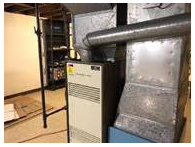
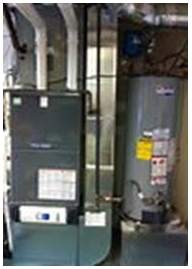
When an older metal-vented furnace is replaced with a high-efficiency PVC-vented furnace, the furnace no longer exhausts through the chimney. Instead, combustion gases leave the home through white PVC piping.
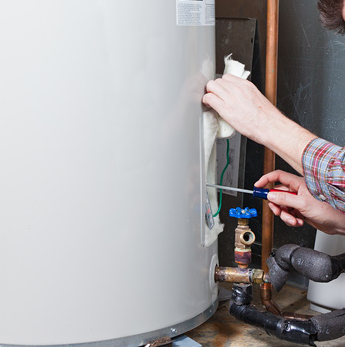
That change can create a common but overlooked problem: the chimney flue was originally sized to vent both the furnace and the water heater. Once the furnace is removed from the chimney, the flue often becomes oversized for the water heater alone.
This condition is commonly called an “orphaned water heater.”
In northern climates like Wisconsin, it can become a health and safety concern due to poor draft, condensation damage, and the potential for flue gases (including carbon monoxide) to enter the home.
Why Orphaned Water Heaters Cause Chimney Problems
Combustion produces moisture (water vapor) as a byproduct. When the chimney flue is too large for the water heater, there may not be enough heat to establish a strong draft. As a result, the flue gases can cool too quickly and condense inside the chimney (especially in clay-lined chimneys).
Over time, this moisture contributes to damage. When outdoor temperatures drop, freeze-thaw cycles can cause the chimney liner and masonry to break down.
What is spalling?
Spalling occurs when moisture is absorbed into porous materials (clay, brick, block, or mortar). When temperatures drop, the moisture freezes, expands, and causes the surface to flake or chip.With enough spalling, gaps can form and allow dangerous flue gases—such as carbon monoxide (CO)—to find a path into the home.
Recommended Corrections
If an orphaned water heater condition is present, the solution typically involves creating a safe, properly sized venting system. Common options may include:
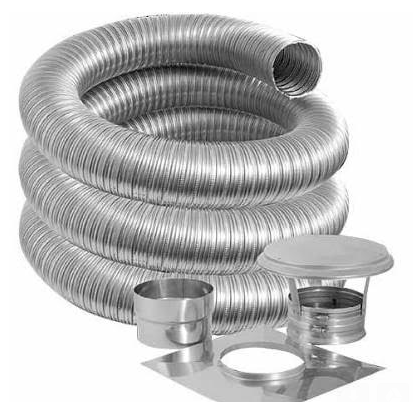
- Installing a properly sized chimney flue liner for the natural-draft water heater
- Upgrading to a power-vented water heater that vents through a sidewall (when appropriate)
Because venting systems are safety-critical, repairs and upgrades should be handled by a qualified professional.
Sample Report Language
The verbiage I use in my home inspection reports is:
Orphan water heater – A high efficiency furnace has been installed without installing a flue liner in the chimney for the natural draft water heater. Due to the removal of the natural draft furnace vent from the chimney to accommodate the high efficiency furnace conversion, the increased condensation will damage the interior of the chimney and create unwanted paths for dangerous flue gases such as Carbon Monoxide.
The current condition is a violation of WI Administrative Code SPS 323.11 (3) and the National Fuel Gas Code NFPA 54. For health and safety, contact a qualified specialist to discuss and implement a safety-compliant alternative.
Installation of a power-vented water heater is an acceptable alternative to the present condition. Contact a licensed plumber for remedial options and cost estimate.
Final Thoughts
Orphaned water heaters are easy to miss—and they can create real safety and durability issues in Wisconsin homes. If you’ve upgraded to a high-efficiency furnace, it’s smart to confirm that your water heater venting system and chimney are still drafting correctly.
I hope you find this information valuable in keeping you safe.
Donn Anderson, CMI
Anderson Home Inspection LLC
anspect.com | (262) 534-5075